Diplomacy is often judged by the agreements it produces. Yet some of its most important work happens long before agreements are signed. Sustained, direct dialogue between governments, institutions and experts is not a soft alternative to diplomacy; it is one of its most consistent and effective instruments.
Dialogue, coupled with cooperation, creates the conditions for trust. It keeps channels of communication open and enables relationships to develop before they are tested by crisis.
This is the principle behind preventive diplomacy: reducing the risk of conflict by encouraging engagement before tensions escalate. Its impact is rarely measured through a single announcement or breakthrough.
More often, it is reflected in quieter outcomes: a relationship that withstands pressure because trust already exists; a disagreement managed through direct conversation rather than escalation; or a misunderstanding resolved promptly because communication channels were already in place.
At a time of significant geopolitical change, this approach is more relevant than ever.
Periods of uncertainty often encourage caution. Yet they also create opportunities to build new relationships, strengthen existing partnerships and explore areas of common interest before events overtake them.
Platforms dedicated to dialogue recognise that meaningful cooperation does not require complete agreement. They recognise something more fundamental: progress is more likely when people remain willing to speak, listen and engage, particularly when perspectives differ.
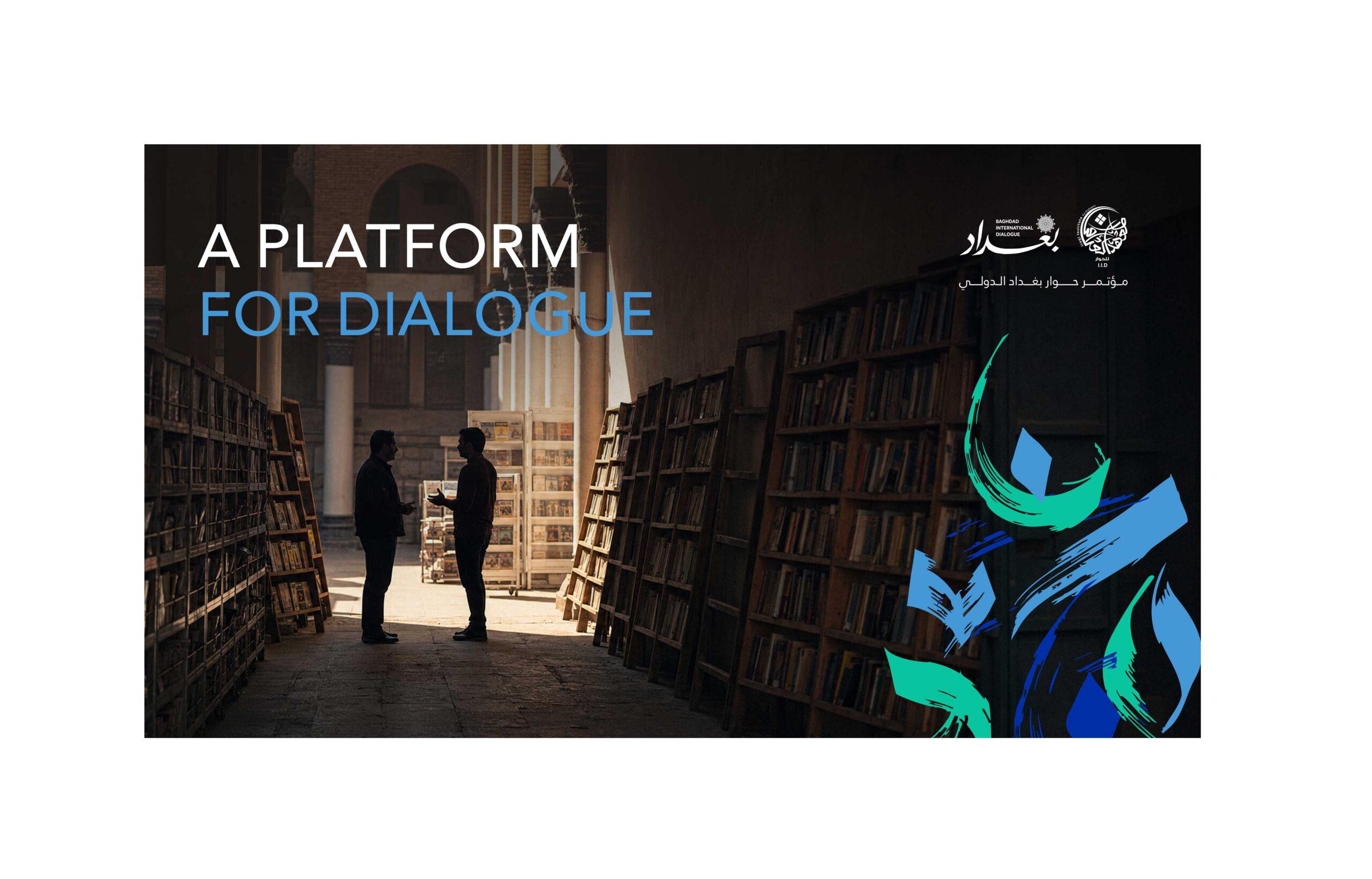
This is the philosophy behind the Baghdad International Dialogue. Convened by the Iraqi Institute for Dialogue, the Baghdad International Dialogue provides a trusted platform where policymakers, diplomats, researchers, business leaders and civil society exchange ideas, challenge assumptions and explore practical cooperation.
Our ambition is clear, yet our approach is pragmatic: to create the conditions in which dialogue strengthens relationships, partnerships develop and cooperation grows.
Some of that work is visible through keynote speeches, public discussions and published recommendations. Much of it is not.
It happens in conversations between sessions, in relationships built over time, and in trust established long before it is needed.
Because the most effective diplomacy often begins before a crisis and long before the world is watching.