
What Comes Next?
Iraq: Twenty Years On
His Excellency Mohammed Shia’ Al-Sudani
Prime Minister of Iraq
Ladies and Gentlemen, Guests of Iraq,
Distinguished attendees, with due respect to all titles, names, and positions,
Peace be upon you, and may your morning be blessed on this bright Baghdad day.
Allow me at the outset to extend my deepest gratitude and appreciation to our dear colleagues and friends, particularly His Excellency Ambassador Dr. Farid Yassin, Mr. Yazan Al-Jubouri, Mr. Hassan Haddad, Mr. Hamza Haddad, and my colleague at the Iraqi Institute for Dialogue, Karrar Anwar, for the tremendous efforts they exerted in organizing this conference. I also extend my thanks to the Prime Minister’s Office Protocol Department and all those who worked tirelessly over the course of two consecutive months to make this event a success.
Twenty years ago, on the night of March 20, the Iraqi people were under the weight of occupation, awaiting liberation from dictatorship. Since the establishment of the modern Iraqi state, the country was never given a real opportunity to rise, as the state and its infrastructure were destroyed and successive governments failed to provide stability. Political change was often pursued through bloody coups, killings, and violence, which severely damaged Iraq’s historical and civilizational standing. This ultimately led to the decision for change through occupation, ushering in a phase marked by deep societal maladies, foremost among them sectarianism, corruption, terrorism, and extremism.
The Iraqi people believed in the path of freedom—a long and arduous road—and continued to pursue it with courage and patience, keeping their eyes fixed on the future. For the first time in the country’s history, the political elite succeeded in drafting a permanent constitution and laying the foundations for rebuilding the state.
However, this national will collided with contradictory forces. Since 2003, two opposing paths have existed and continue to exist: one aimed at undermining the state, and another striving to build a courageous national state that bravely confronted and defeated malicious projects, most notably Al-Qaeda, sectarian warfare, and the terrorist entity ISIS.
The great national epics written by Iraq remain vivid in our memory—from the victory over ISIS, to popular perseverance, the conduct of free and transparent elections, the peaceful transfer of power, the consolidation of freedom of opinion and expression, the strengthening of political pluralism, and the empowerment of women by granting them a greater role in Iraqi decision-making.
Above all stands the greatest victory: the societal victory that overcame all challenges through solidarity, compassion, and integration. This was clearly reflected in scenes of social cohesion, the Arbaeen pilgrimage, resilience during the COVID-19 pandemic, and was crowned by the successful hosting of the Gulf Cup 25 in Basra—a remarkable portrait of the greatness of this people.
Dear friends,
Twenty years have passed… what comes next?
The challenges Iraq has endured may turn into serious risks threatening the state if they are not met with constructive responses. Among these are internal political divisions that require sustained care, the consolidation of political integration, political participation, peaceful transfer of power, and the protection of the constitutional system and freedoms.
This challenge obliges the political system, with all its authorities and parties, to move toward realistic mechanisms of public engagement through effective electoral processes, representation, legislation, sustainable development, comprehensive security, and service delivery. Failure to achieve these incentives would mean shifting from a “state of challenges” to a “state of response”; otherwise, the painful alternative will be rebellion and violence.
It is evident that Iraq’s challenges are not purely internal; they have international dimensions that necessitate continuous international cooperation through dialogue, understanding, and communication. This cooperation is essential to confront challenges related to development, comprehensive security, climate change, desertification, water scarcity, drug trafficking, poverty, illiteracy, and to maintain balanced foreign relations within a complex environment—ultimately leading to a system of mutual dependence and collective action.
Despite the difficult experiences and bitter conflicts Iraq has endured over the past twenty years, it has become one of the more stable areas in the region. Iraq aspires to build a safe zone and an environment that enhances opportunities for development and dialogue, drawing on its rich historical and civilizational assets, its strategic importance, and its capacity to manage international dialogue that lays the foundations for stability and coexistence in the region.
Iraq’s stability is the key to the stability of the entire region—and vice versa.
Out of belief in the necessity of establishing a system of shared interests, and in the importance of think-tank diplomacy, unifying intellectual, political, and diplomatic efforts with influential global actors, building trust, and prioritizing direct dialogue over suspicion and doubt will create a stable and natural environment that ensures a safe and dignified life for the peoples of the region.
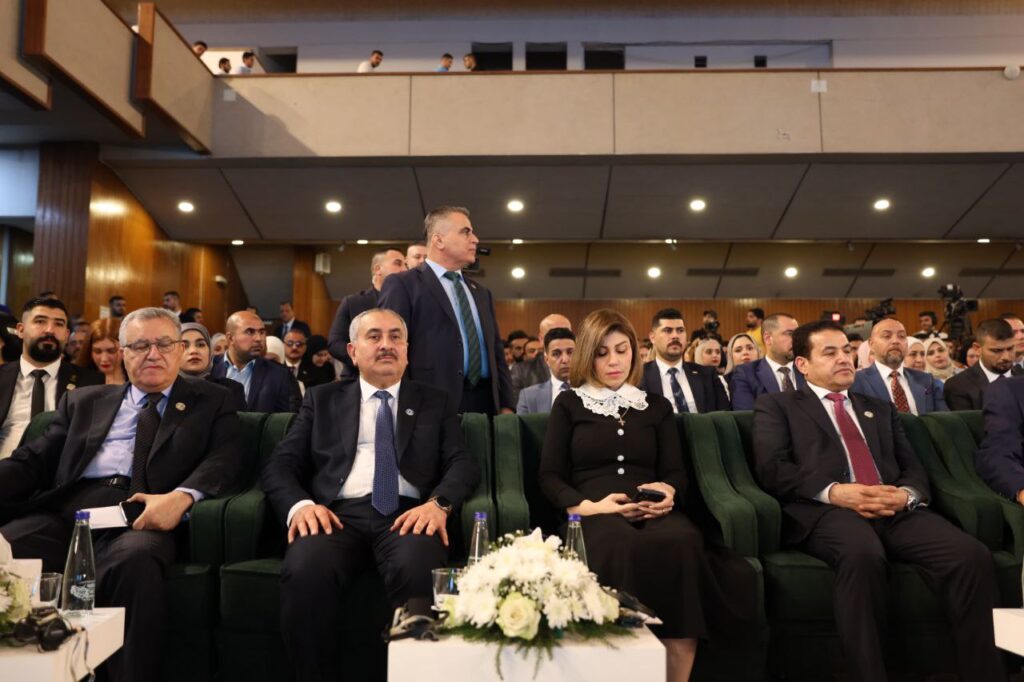
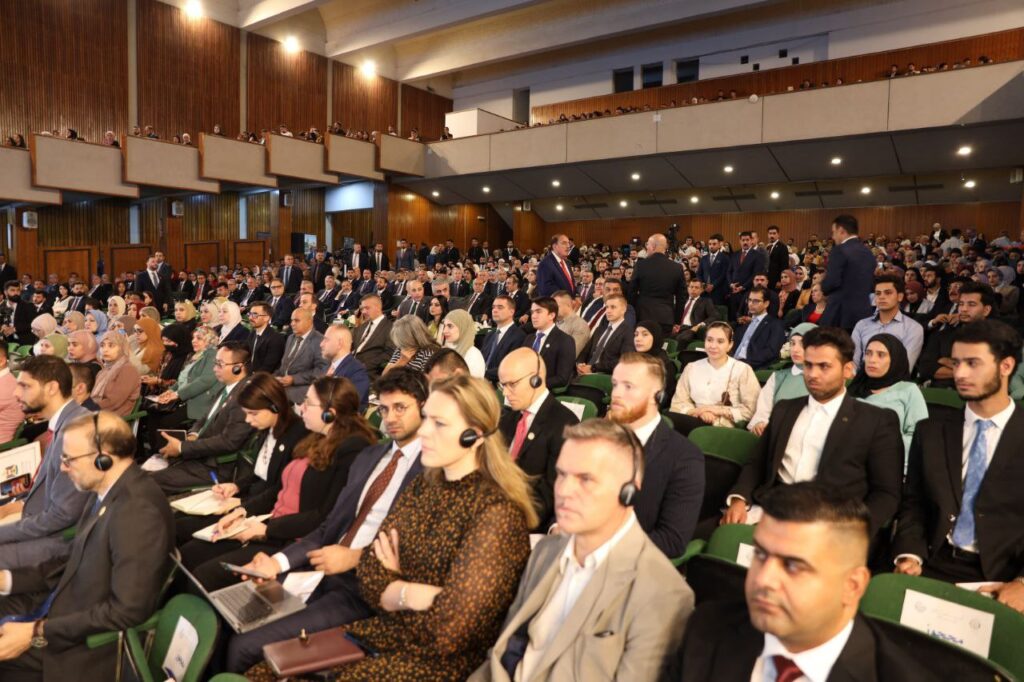
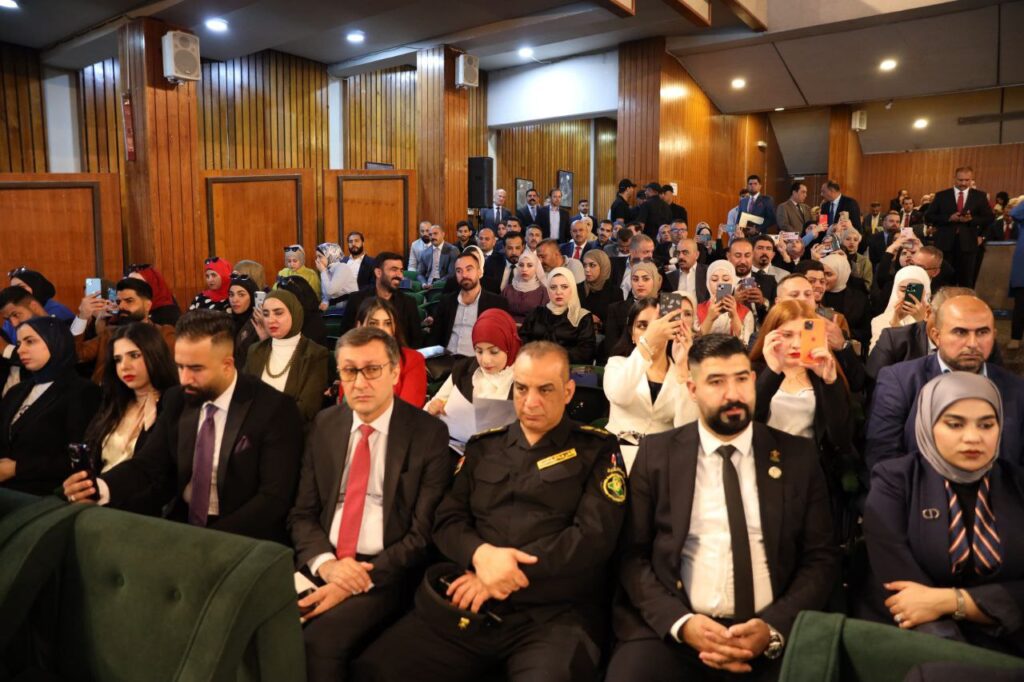
Accordingly, the Iraqi Institute for Dialogue convenes the Fifth Baghdad International Dialogue Conference, in cooperation with a number of international think tanks, based on the conviction that the world needs platforms for dialogue and convergence, distancing itself from division and conflict, and fostering a shared environment built on common interests—particularly in the fields of security, energy, and development—to confront the threats, challenges, and risks facing the world today through collective thinking and channels of dialogue.
In conclusion, it gives me great pleasure to invite His Excellency the Prime Minister, Mohammed Shia’ Al-Sudani, the patron of this conference, to kindly present his vision for what comes after twenty years.
Peace be upon you, and God’s mercy and blessings.
Abbas Radi Al-Amiri
Baghdad – March 19, 2023